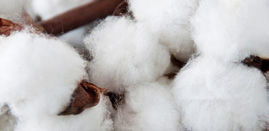
Natural fibre
Cotton
Obtained from the fibres surrounding the seeds of the cotton plant, it feels cool to the touch and is used in cover fabrics.
Inside the world of Cardone
Comfort takes shape,
inside and out.
From the mattress structure to the fabric that covers it: discover the materials, fibres and manufacturing processes of the Cardone and Bedline collections.
Explore the materials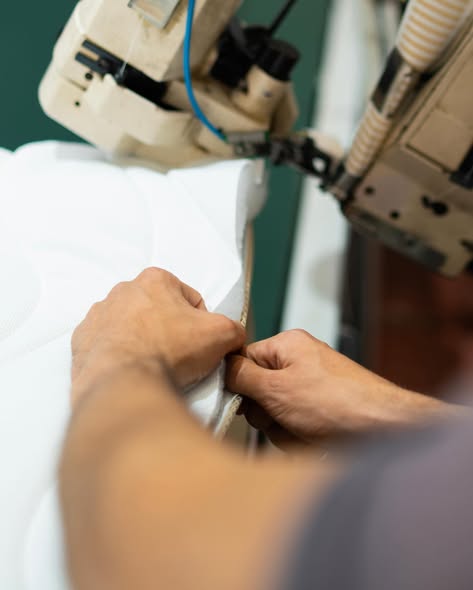
The right
Layers with different firmness levels work together to define the cushioning and support of each model.
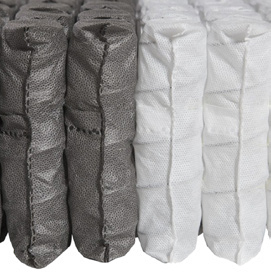
Each spring is enclosed in a pocket and works independently of the others. Different firmness levels allow zones with varying support to be created. In Bedline independent-spring models, the core is divided into seven zones.
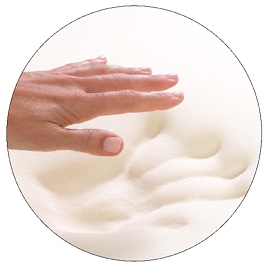
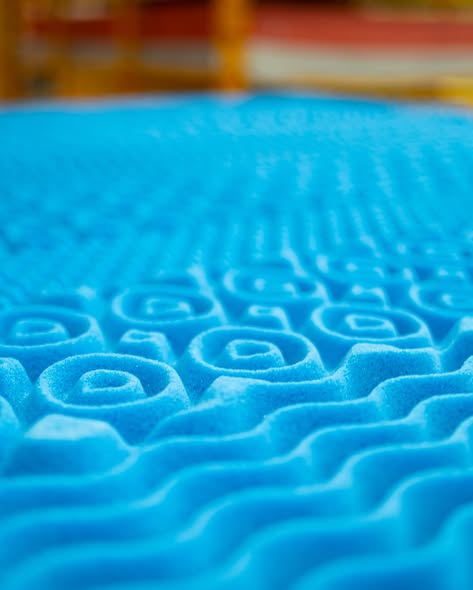
Density, firmness and surface processing contribute to the response of the comfort layer. Slabs can be shaped, perforated or convoluted. In the Bedline collection, Memoair memory foam is combined with Pholy Foam Tech bases or spring structures, with thicknesses varying by model.
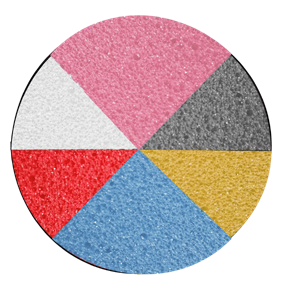
Expanded foam used as a supporting base, resilient layer and support. Different densities and firmness levels help shape mattress comfort. In Bedline sprung models, it also forms the side rails and enclosure layers of the box system; in the Light range, it forms the spring-free core.
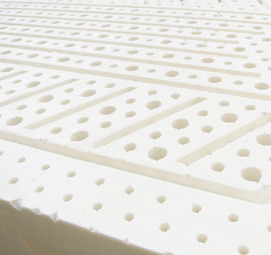
A moulded material with perforations and different firmness levels. It can be natural, derived from the sap of Hevea brasiliensis, or synthetic. Its composition and processing define each individual slab.

Biconical steel-wire springs linked by metal spirals. They work together as a single spring unit. In Bedline models, they are combined with Pholy Foam Tech and, where specified, a layer of Memoair memory foam.
The touch
Natural, cellulosic and synthetic fibres give covers different textures, feels and finishes.
Natural fibre
Obtained from the fibres surrounding the seeds of the cotton plant, it feels cool to the touch and is used in cover fabrics.
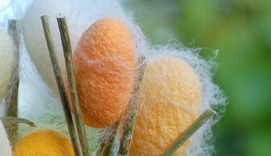
Natural fibre
Obtained from the silkworm’s cocoon, it is distinguished by its softness, lustre and fineness. It is also used in blends in Bedline covers.
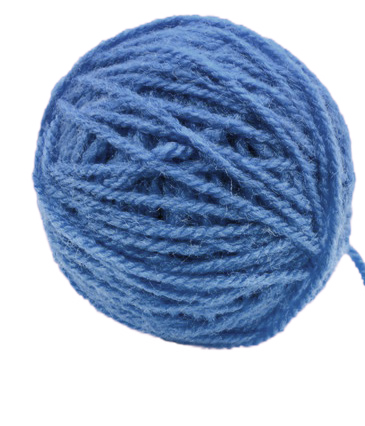
Natural fibres
Wool comes from sheep’s fleece; cashmere from the goat of the same name. These soft, insulating fibres are also combined with other materials.

Natural fibre
A plant fibre with a distinctive feel, used in both covers and padding. The LUX Lino cover has a 100% linen jacquard fabric.
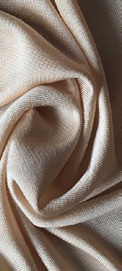
Cellulosic fibre
Derived from cellulose through a transformation process, it gives fabrics softness and a silky sheen. It is used in Imperial and Florence covers.

Cellulosic fibre
A fibre derived from wood, described in the catalogue for its smooth surface and soft feel. It is part of the composition of the LUX Rame cover.

Metallic yarn
A laminated metallic yarn that adds sparkle to fabric. It can be worked together with natural or synthetic fibres.
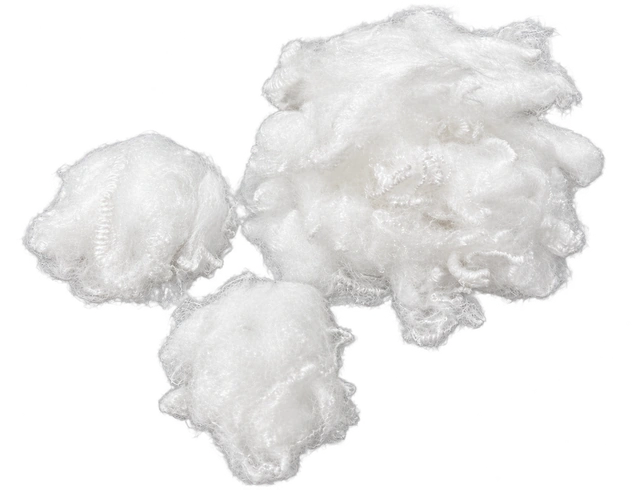
Synthetic fibre
Used in many Bedline covers, on its own or blended with viscose, silk, linen and other yarns. Percentages vary by cover.
Technical fabrics
Yarns and textile structures featured in the catalogues, from the outer cover to the inner lining.

Polyester and bioceramics
Polyester fibre combined with bioceramic crystals incorporated into the yarn. It is one of the technical cover fabrics described in the Cardone catalogue.

Conductive filament
Combines textile fibres with a continuous conductive filament based on activated carbon. The carbon component defines this technical fabric.


Three-dimensional structure
Fabric with an air gap that promotes airflow between the padding and the mattress core. Its lightweight structure is designed to withstand pressure.

Inner lining
Conductive fibre made from a nylon filament coated with carbon particles. The catalogue specifies it for the inner part of certain Technology and Luxury covers.

Yarns containing silver
Fabric incorporating silver yarns, described in the catalogue for the cover’s soft feel, thickness and elasticity.

Textile technology with minerals
Textile fibre incorporating a blend of minerals. It appears among the technical fabrics in the Bedline catalogue; its use depends on the specific cover.

Copper filament
Fabric featuring a fine copper filament on its surface. In the LUX Rame cover, it is combined with Tencel and polyester.
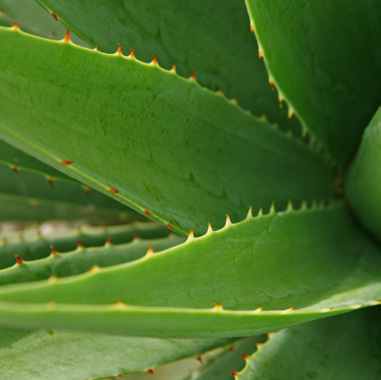
Bedline cover
The name of the cover fabric presented in the Bedline catalogue. For the Memo Double Aloe 3D model, the stated cover composition is 100% polyester.
Fabrics are used according to the model and cover: see the product sheet for the specific composition.
Bedline
Imperial, Rame, Florence and Lino: the interchangeable covers of the LUX range, with different compositions and padding.

Removable and washable
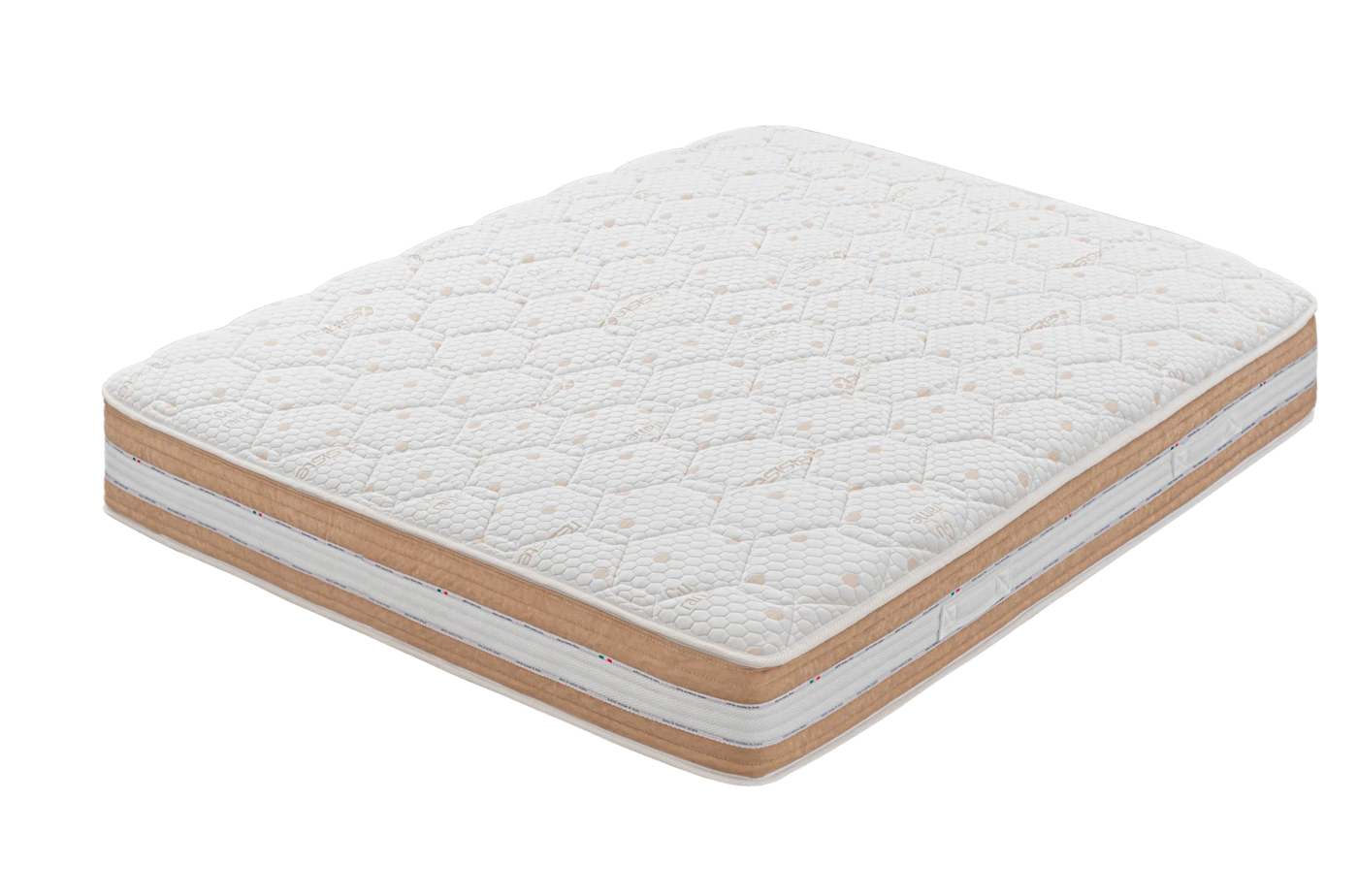
Removable and washable

Removable and washable
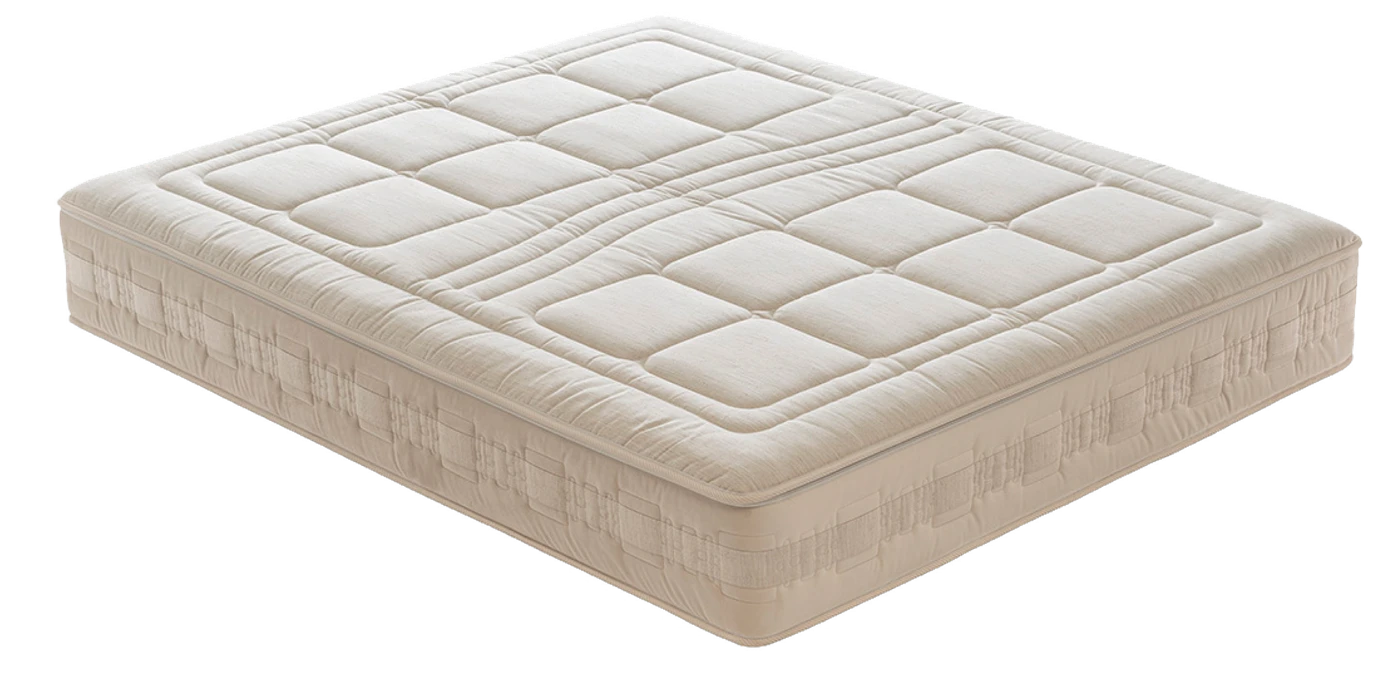
Removable and washable
In Imperial and Florence models, Pholy Soft adds a 2 cm layer to the cover’s padding.
Explore LUX coversYour sleep system
Compare Bedline structures or let us help you choose the materials best suited to your preferences.